Portobello Road carpet cleaning and stain removal London
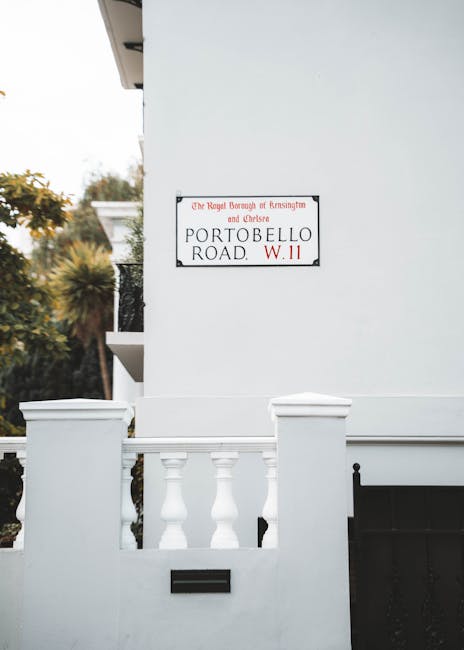
If you live, work, or trade near Portobello Road, you already know carpets there can pick up a bit of everything: muddy foot traffic after a wet London afternoon, spilt coffee from a rushed morning, market-day grit, pet mess, and the odd mystery mark that seems to appear from nowhere. That is exactly why Portobello Road carpet cleaning and stain removal London needs a practical, no-nonsense approach. Not just a quick freshen-up, but proper stain treatment, fibre-safe cleaning, and an understanding of what different carpets can and cannot handle.
In this guide, we'll cover how carpet cleaning works, which stains are worth tackling straight away, where DIY goes wrong, and when it makes more sense to bring in a professional. You'll also get a straightforward step-by-step process, a comparison of common methods, and a checklist you can actually use. Let's keep it useful, then.
Why Portobello Road carpet cleaning and stain removal London Matters
Portobello Road is busy in a very specific way. It is not just a street; it's a steady flow of homes, flats, short lets, small businesses, studios, and people moving in and out with bags, boxes, food, and weather on their shoes. Carpets in that kind of environment take a beating. A mark that might be tiny in the morning can turn into a long-term stain by the evening if it is pushed deeper into the pile.
That matters because carpets do more than look nice. They hold dust, crumbs, allergens, pet hair, and moisture. Over time, they can start to smell stale or feel tired underfoot. To be fair, most people notice carpet problems only when the room starts looking dull or a stain becomes impossible to ignore. By then, the fibre may already have absorbed more than you'd like.
In a residential setting, clean carpets make a flat feel cared for, brighter, and easier to live in. In a rental property, they can support a smoother end-of-tenancy handover. In a business or shared building, they affect first impressions. People notice carpets, even if they do not mention them. A worn, marked hallway has a way of quietly dragging down the whole space.
If you need broader support around deep-cleaning routines for homes or flats, a service such as deep cleaning can be useful alongside targeted carpet care. And if carpets are only one part of a bigger refresh, there are times when domestic cleaning or one-off cleaning makes more sense than trying to handle everything piecemeal.
How Portobello Road carpet cleaning and stain removal London Works
Good carpet cleaning is not just about water and detergent. In practice, it is a process of identifying the fibre, assessing the stain, choosing the right pre-treatment, and applying controlled cleaning so the carpet dries properly afterwards. If you rush any of that, the results can be patchy. Or worse, the stain comes back like it never left. Annoying, isn't it?
Professionals usually start with inspection. Wool, nylon, polypropylene, and blended carpets all respond differently. Wool, for example, needs much more care with heat and chemistry. Some synthetic carpets are more forgiving, but they can still hold oily marks, dye transfer, and residue from old DIY products. The cleaning method must suit the material.
Stain removal is a separate skill from general carpet cleaning. A red wine spill, a greasy food stain, ink, makeup, pet accident, or black scuff mark all need a different tack. There is no universal miracle spray, despite what the bottle might suggest. The sensible approach is to break the stain type down first:
- Water-based stains: tea, coffee, juice, soft drinks, some food spills.
- Oil-based stains: grease, make-up, cooking oil, some lotions.
- Protein-based stains: blood, milk, food residues, pet accidents.
- Dye-based stains: wine, coloured drinks, ink, paint transfer.
- Soil and traffic marks: dulling in hallways, stairs, and doorways.
Cleaning often involves vacuuming first, then pre-treatment, agitation where needed, extraction or hot-water cleaning, and careful drying. If a carpet is heavily soiled, a more intensive approach may be needed, and sometimes a room benefits from being paired with rug cleaning or upholstery cleaning so the whole space feels consistent rather than half-done.
Key Benefits and Practical Advantages
There's the obvious benefit: carpets look better. But the more useful advantages go a bit deeper than that.
- Cleaner appearance: marks, dullness, and tracked-in grime are reduced, which helps the whole room feel fresher.
- Better stain control: professional stain removal can often improve marks that DIY methods simply flatten or spread.
- Longer carpet life: soil is abrasive. Leaving it in the pile wears fibres down faster.
- Improved indoor feel: a clean carpet helps a room smell better and feel less dusty underfoot.
- Better presentation: especially useful for viewings, inspections, guest lets, and front-facing business spaces.
- Less guesswork: you avoid trial-and-error with products that may bleach or distort fibres.
There's also a practical time-saving angle. Once a carpet stain has settled, home remedies often turn into a slow, frustrating cycle of blot, wait, inspect, panic a bit, repeat. A proper cleaning plan is usually more efficient. And yes, sometimes it saves the carpet from the sort of over-scrubbing that makes a small issue look much bigger.
If the carpet is part of a property turnround, broader services like end-of-tenancy cleaning or after builders cleaning may be the more sensible fit, because carpets often suffer most when the rest of the property is also under pressure.
Who This Is For and When It Makes Sense
Honestly, this is not just for people with visibly dirty carpets. It suits anyone who wants their space to feel better maintained and less patchy. In our experience, the people who benefit most are the ones who wait a bit too long and then realise the carpet has quietly become part of the furniture, stain and all.
This kind of service makes sense for:
- homeowners who want to refresh high-traffic rooms
- tenants preparing for inspection or move-out
- landlords and letting agents managing recurring wear
- families with kids, pets, or regular visitors
- small businesses with reception areas or soft-floored rooms
- properties near the street where dirt, moisture, and grit come in faster
It also makes sense when you can identify a stain early. Fresh spills are easier to lift than old ones, especially on light-coloured carpets. If a stain has already dried, or if you have tried two or three products without success, that is a good sign to stop improvising. Better to pause than to make the patch larger or push colour deeper into the fibre.
One more thing: if you are dealing with a mix of hard flooring, fabric seating, and carpets, a coordinated clean can be easier than doing each item separately. That is where hard floor cleaning or office cleaning can fit into the wider plan, depending on the property type.
Step-by-Step Guidance
Here is a practical approach to carpet cleaning and stain removal that works for most everyday situations. Not every carpet should be treated the same way, of course, but the sequence below is a good starting point.
- Identify the stain. Work out whether it is food, drink, grease, pet-related, dye-based, or just general dirt. That first decision shapes everything else.
- Check the carpet fibre. If you can't tell, treat it cautiously. Wool especially needs gentler handling than many synthetic carpets.
- Test any product in a hidden spot. A small colour test can save you from a very embarrassing patch. Really, it can.
- Vacuum the area thoroughly. Dry soil should come out before any moisture is added. Otherwise you just make mud in miniature.
- Blot, don't rub. Press with a clean cloth from the outside of the stain inward. Rubbing spreads the mark and damages pile direction.
- Apply the right pre-treatment. Use only as much as needed. Too much product can leave residue and attract more dirt later.
- Agitate gently if required. A soft brush or cloth can help loosen the stain, but do not scrub hard.
- Extract or rinse carefully. The goal is to remove both the stain and the cleaning residue.
- Dry the carpet properly. Open windows where possible, use airflow, and avoid walking on damp areas if you can help it.
- Re-check after drying. Some stains reappear as they dry. If that happens, they need a second targeted treatment, not a more forceful one.
If the stain is stubborn, it may be worth using a more general carpet cleaning service rather than trying to deal with it in isolation. That is especially true where traffic lanes, deodorising, and stain removal all need attention at once.
Expert Tips for Better Results
A few small choices make a big difference.
- Act quickly on spills. Fresh stains are far easier to manage than set ones, especially on absorbent piles.
- Use minimal moisture first. Too much water can drive the mark deeper or create a tide line.
- Work from the outside in. This helps stop the stain from growing. Common sense, but easy to forget in a rush.
- Keep a neutral cloth set aside. White microfibre cloths are useful because they show transfer clearly and reduce accidental dye bleed.
- Be careful with heat. Heat can help in some cases, but it can also set protein or dye stains. Not every spill wants a warm hug.
- Ventilate after cleaning. Air movement helps with drying and reduces that damp carpet smell that nobody enjoys.
- Use spotting products sparingly. More product does not mean more cleaning power. Often it means more residue.
Here's a simple rule worth remembering: the more delicate the carpet, the more patient you should be. A wool hallway runner may need a calmer, slower approach than a sturdy synthetic in a busy rental flat. When the room includes decorative pieces as well, such as a patterned rug, you may want to match the treatment with rug cleaning so everything is handled with the same care.
Expert summary: the best carpet results usually come from early action, the right fibre knowledge, controlled moisture, and proper drying. Most failures happen when people skip one of those four things.
Common Mistakes to Avoid
Some mistakes show up again and again, and they're usually the ones people make while trying to be helpful to the carpet. The irony is a bit painful.
- Rubbing the stain aggressively. This pushes the mark around and frays fibres.
- Using bleach or harsh chemicals. These can strip colour or create permanent light patches.
- Mixing cleaning products. That is a bad idea with more than one risk attached.
- Soaking the carpet. Excess moisture can cause odour, slow drying, and underlay problems.
- Ignoring the backing and underlay. A surface that looks okay may still be wet underneath.
- Assuming all stains behave the same. Coffee is not grease. Wine is not mud. Sounds obvious, but people do it every day.
- Leaving a stain half-treated. It often comes back and looks worse because the surrounding area has been disturbed.
Another common issue is using the wrong attachment or tool for the job. A strong machine can be brilliant, but if it is applied carelessly, it can leave the carpet looking patchy or over-wet. If a job has become more complicated than expected, a more structured service such as deep cleaning is usually safer than experimenting further.
Tools, Resources and Recommendations
You do not need a van full of specialist gear to handle basic carpet care, but a few sensible tools make life easier.
- vacuum cleaner with a clean filter
- white microfibre cloths
- soft brush or spotting brush
- clean bucket or spray bottle
- fibre-safe carpet cleaning solution
- dry towels for blotting
- fans or good ventilation for drying
For homes that need more than carpet care, the right package can save time and keep the whole property consistent. For example, if pet hair and sofa marks are part of the same picture, upholstery cleaning can complement carpet work nicely. If the room includes doors, frames, and windows that also need a refresh, then window cleaning may be part of a fuller reset.
It can also help to look at the cleaner's wider approach to safety, payment handling, and sustainability. Those details may seem secondary when you are staring at a tea stain, but they matter. A business that is careful about process usually brings the same care to the carpet.
If you are comparing service options, the pages on pricing and quotes, payment and security, and recycling and sustainability can give helpful background before you book.
Law, Compliance, Standards, or Best Practice
For carpet cleaning, the main thing is not a complicated legal rulebook but responsible practice. In the UK, people carrying out cleaning work should operate safely, handle chemicals properly, and avoid creating risks for residents, workers, or visitors. That means sensible ventilation, correct dilution, careful wet-floor management, and awareness of slip hazards while carpets are drying.
Best practice also includes clear communication about what can realistically be removed. Not every stain can be fully reversed. Dye damage, old bleach marks, and fibre distortion are sometimes permanent. A trustworthy provider should say that plainly rather than oversell the result. That honesty matters more than any fancy promise.
If a property is occupied, it is also good practice to minimise disruption. That includes keeping access routes clear, explaining drying times, and making sure people know where they can step safely. For landlords, letting agents, and managed buildings, the cleaner should also respect any relevant property-specific procedures and access arrangements.
Service standards matter too. You may want reassurance around insurance, handling, and complaint procedures before booking. The pages on insurance and safety, health and safety policy, complaints procedure, terms and conditions, and privacy policy can help you understand the service framework. That sort of detail is not glamorous, sure, but it builds confidence.
Options, Methods, or Comparison Table
Different carpet problems call for different approaches. Here is a simple comparison that shows where each method tends to fit best.
| Method | Best for | Strengths | Limits |
|---|---|---|---|
| Spot treatment | Fresh, localised stains | Quick, targeted, low moisture | Can leave marks if used badly; may not solve deep soiling |
| Hot water extraction | General carpet refresh, traffic dirt, many common stains | Deep clean, strong soil removal, good for whole rooms | Needs proper drying; not ideal for every delicate fibre |
| Low-moisture cleaning | Light refresh, quicker turnaround | Fast drying, less disruption | May be less effective on heavy staining |
| Dry compound cleaning | Some sensitive settings and quick-use spaces | Minimal water, useful where drying time is tight | Not always the best for stubborn stains |
For many Portobello Road properties, the choice comes down to condition and timing. A flat that just needs a freshen-up before guests arrive may only need light treatment. A rental with traffic lanes, drink marks, and a tired hallway often benefits from a deeper process. If the building has multiple surfaces needing attention, a broader service such as one-off cleaning can make the most sense overall.
Case Study or Real-World Example
Picture a small two-bedroom flat just off Portobello Road. The living room carpet has a tea mark near the sofa, a darker path from the entrance to the kitchen, and a small patch from a spilled sauce that someone tried to hide with a bit of water and a paper towel. Classic, really.
The first pass would be to identify each mark separately. The tea mark is likely water-based and may respond well to careful pre-treatment. The traffic lane needs soil removal, not just stain treatment. The sauce patch may contain both oil and colour, which means it needs a little more patience and maybe a second treatment rather than a single aggressive one.
After vacuuming, the cleaner would spot-treat each problem area, work lightly, then clean the whole room so the treated spots do not stand out against the rest of the carpet. That matters more than people think. A stain that is removed perfectly but leaves the surrounding carpet dull can still look wrong.
Once dry, the room feels different. Brighter, less heavy, less "I'll deal with that later." The carpet no longer pulls the eye. That kind of result is often the real goal: not perfection for its own sake, but a room that feels looked after again.
Practical Checklist
Use this checklist before, during, or after carpet cleaning.
- Identify the stain type before applying any product
- Vacuum thoroughly to remove loose grit and crumbs
- Test products in a hidden area first
- Blot gently, never scrub hard
- Use the least amount of moisture needed for the job
- Avoid mixing products
- Check drying time and keep foot traffic off damp areas
- Re-inspect after drying for stains that rise back up
- Match the method to the fibre
- Book a professional clean if the stain is old, spread out, or uncertain
If you are sorting more than just the carpet, you may also want to review about us before choosing a provider, so you know who you are dealing with and what sort of approach they take. Small detail, but it helps.
Conclusion
Portobello Road carpet cleaning and stain removal London is really about three things: acting quickly, choosing the right method, and treating the carpet with enough care to preserve the fibre as well as the appearance. A good result does not come from force. It comes from judgement, restraint, and knowing when to stop tinkering.
Whether you are dealing with a fresh spill, a stubborn traffic lane, or a carpet that just needs to feel respectable again, the smartest move is usually the one that protects the material first and the appearance second. Luckily, those two things often go together when the job is done properly.
If you want to compare service options or prepare for a quote, take a look at the available service information and choose the route that fits your property best. Small, sensible decisions now can save a lot of bother later.
Get a free quote today and see how much you can save.
And if all you do today is lift one old stain and make the room breathe a little easier, that still counts. Sometimes that's enough.
Frequently Asked Questions
How quickly should I treat a carpet stain?
As soon as you can. Fresh stains are far easier to lift than dried ones, especially on light or absorbent carpets. Even a few minutes can make a difference.
Can all carpet stains be removed completely?
No, not always. Some stains are permanent, especially if they involve dye transfer, bleach damage, or long-set fibres. A good cleaner should tell you honestly what is realistic.
Is hot water extraction safe for every carpet?
Not every carpet, no. It works well on many synthetic carpets and heavily soiled rooms, but delicate fibres like wool need more careful handling and the right temperature balance.
Why does a stain sometimes come back after cleaning?
That usually happens when residue remains below the surface and rises during drying. It can also happen if the stain has soaked into the backing or underlay.
Should I rub a stain if it starts to spread?
No. Rubbing usually makes things worse. Blot gently with a clean cloth and work from the outside of the stain inward.
How long does carpet drying usually take?
It varies by method, carpet thickness, airflow, and humidity. A room with good ventilation dries faster; a thick pile in a closed flat takes longer. On a damp London day, patience helps.
Can I use supermarket stain remover on my carpet?
Sometimes, but it is wise to test it first. Some products leave residue or affect colour, especially on wool or older carpets. Always check compatibility before committing.
Do I need professional cleaning if the carpet only looks a bit dull?
Not necessarily, but dullness usually means dirt has built up in the pile. If vacuuming no longer restores the look, a deeper clean can make a noticeable difference.
What if the stain is from pet urine or another organic spill?
Those stains need prompt attention because smell and bacteria can become part of the problem. A targeted cleaning process is usually better than general surface cleaning.
Is carpet cleaning useful before moving out of a property?
Yes, very often. It can help the property present better and reduce friction during inspection. For many moves, it fits naturally alongside end of-tenancy cleaning.
How do I know whether to choose stain removal only or a full carpet clean?
If the issue is one fresh mark, spot treatment may be enough. If the room has traffic lanes, odour, or several stains, a full carpet clean is usually the better value.
What should I check before booking a carpet cleaning service?
Look for clear information on methods, safety, insurance, pricing, and what happens if a stain cannot be fully removed. That kind of clarity usually tells you a lot about the provider.