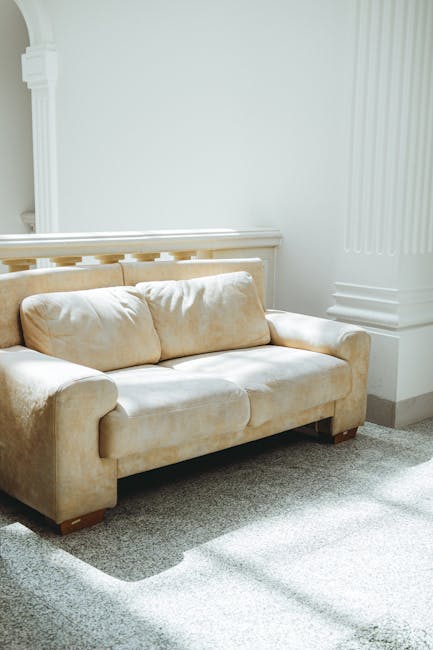
Real cost of sofa cleaning in London explained
If you have been wondering about the real cost of sofa cleaning in London explained, you are not alone. Prices can look simple at first glance, then suddenly get a bit messy once you factor in fabric type, stain level, access, drying time, and whether you need a basic refresh or a deep restorative clean. London homes are all a bit different too - one flat may have a compact two-seater by the window, while another has a large corner sofa that has clearly seen a few winters, a few takeaway nights, and maybe a dog or two.
This guide breaks the numbers down in plain English. You will see what affects the price, how sofa cleaning usually works, what to expect from a good service, and where value is lost when a quote seems too cheap to be true. To be fair, the cheapest option is rarely the best one here. The goal is not just to clean the sofa. It is to clean it properly, safely, and without nasty surprises on the invoice.
Table of Contents
- Why Real cost of sofa cleaning in London explained Matters
- How Real cost of sofa cleaning in London explained Works
- Key Benefits and Practical Advantages
- Who This Is For and When It Makes Sense
- Step-by-Step Guidance
- Expert Tips for Better Results
- Common Mistakes to Avoid
- Tools, Resources and Recommendations
- Law, Compliance, Standards, or Best Practice
- Options, Methods, or Comparison Table
- Case Study or Real-World Example
- Practical Checklist
- Conclusion
- Frequently Asked Questions
Why Real cost of sofa cleaning in London explained Matters
Sofa cleaning sounds like a straightforward household job, but in London the pricing picture is shaped by practical realities. Flats are often smaller, access can be tight, parking can be awkward, and the range of upholstery fabrics is huge. A velvet sofa in a townhouse, for example, needs a very different approach from a synthetic two-seater in a rented apartment. That difference matters because the wrong method can leave watermarks, texture damage, lingering smells, or a result that looks clean for a week and then fades fast.
Understanding the real cost also helps you compare quotes fairly. One company may quote a headline price that covers only a basic clean. Another may include pre-treatment, stain work, deodorising, and faster drying. Which is better? Usually the one that tells you exactly what is included, not the one with the lowest number on the page.
There is also a trust element. A sofa is not a cheap item. Replacing one costs far more than refreshing it properly, and if you have children, pets, allergies, or heavy daily use, regular cleaning can make a real difference to comfort at home. You notice it in small ways - the smell when you walk in, the feel of the fabric, even how the room looks in daylight.
Expert summary: The real cost of sofa cleaning in London is not just the price on the quote. It is the total value you get after fabric-safe methods, stain removal, drying time, and honest pricing are all taken into account.
How Real cost of sofa cleaning in London explained Works
Most professional sofa cleaning jobs follow a similar pattern, although the exact method depends on the fabric and condition. A cleaner will usually inspect the upholstery, identify the material, test a small hidden area, and decide whether wet extraction, low-moisture cleaning, dry cleaning, or a specialist fabric process is the safest option. That first inspection matters more than people often realise. It is the difference between a careful result and a rushed one.
Pricing usually reflects several moving parts:
- Sofa size: a two-seater costs less than a three-seater, corner sofa, or chaise setup.
- Fabric type: cotton, linen, velvet, microfiber, and delicate blends need different handling.
- Soiling level: light refresh, embedded grime, pet hair, food marks, body oils, or spill stains all change the job.
- Treatment needed: deodorising, stain work, sanitising, or protection treatment may be added.
- Access and location: stairs, parking, and difficult entry can add time, especially in central London.
- Drying requirements: some methods are quicker but may need more care; others are slower but deeper.
In practical terms, the price you pay should reflect the work involved. If a quote looks oddly low, ask what is missing. Is it just a light surface clean? Are stain treatments extra? Is there a minimum call-out fee? You do not need to be suspicious of every offer, but a little curiosity saves a lot of frustration later.
A good cleaner will also explain what results are realistic. Not every stain is removable, and not every fabric responds the same way. Honest guidance is a sign of experience, not weakness.
Key Benefits and Practical Advantages
There is a reason many London households book sofa cleaning rather than waiting until the fabric looks visibly tired. It is not only about appearance. A proper clean can bring back colour depth, reduce odours, lift surface dirt, and make the room feel fresher almost immediately. Sometimes the difference is subtle. Sometimes it is dramatic. You know it when you see it.
- Better value than replacement: refreshing a sofa is usually far cheaper than buying a new one.
- Improved appearance: everyday marks, dull patches, and light staining can be reduced significantly.
- More comfortable living space: cleaner upholstery often feels fresher and less heavy in the room.
- Helps with maintenance: regular cleaning can slow the build-up of grime and wear.
- Useful for letting and moving out: a cleaner sofa can help a property look cared for.
- Better for homes with pets and children: crumbs, fur, and accidental spills are part of real life, after all.
There is a practical side too. If you are comparing whether to clean or replace, sofa cleaning is often the sensible middle ground. A well-made sofa with solid structure but tired upholstery can usually be revived for much less than the cost of a new item. That is the sweet spot.
Who This Is For and When It Makes Sense
This topic matters if you are a homeowner, tenant, landlord, letting agent, office manager with a lounge area, or just someone who has looked at a sofa and thought, "right, that is not the same colour it used to be." It also makes sense if someone in the home has allergies, if pets shed heavily, or if the sofa sees everyday use rather than the occasional sit-down.
It tends to make the most sense in these situations:
- Before guests, events, or family visits: sometimes you want the room to feel genuinely fresh, not just tidy.
- At the end of a tenancy: upholstery condition can affect how the property presents overall.
- After spills or visible stains: quick treatment often improves the outcome.
- When odours build up: cooking, pets, damp air, and smoke can all cling to fabric.
- For routine upkeep: especially in homes where sofas get daily heavy use.
If you are only cleaning for appearance, a light treatment might be enough. If you are dealing with deep soil, pet accidents, or years of use, a more thorough process is usually the better call. Truth be told, that is where the real value shows up.
Step-by-Step Guidance
Here is how sofa cleaning usually works from a customer point of view, and what you should expect at each stage.
- Request a quote. Share the sofa size, fabric type if known, number of seats, and any stains or odours.
- Ask what is included. Check whether pre-treatment, stain work, deodorising, and drying time are part of the price.
- Book an inspection or cleaning slot. Some jobs need a quick assessment first, especially delicate fabrics.
- Clear the area. Move small items, cushions, throws, and breakables nearby. A few minutes now saves hassle later.
- Initial vacuuming and fabric check. Loose dust, crumbs, and pet hair are removed, then the cleaner tests the material.
- Pre-treatment. Spots and traffic areas receive targeted attention before the main clean.
- Main cleaning stage. Depending on the fabric, the cleaner uses wet extraction, low-moisture methods, or a specialist process.
- Final inspection and drying advice. You should be told how long to keep the sofa unused and whether ventilation will help.
A small but useful detail: if your sofa has removable cushions, ask whether those are included individually. Sometimes people assume they are, then get surprised when the quote was based only on the frame. Small thing, big difference.
Expert Tips for Better Results
If you want the best outcome for your money, a few simple choices make a real difference. First, be clear about the problem. "It needs a clean" is not as useful as "there is a wine mark on the left seat, pet hair on the arms, and a bit of a stale smell." The more specific you are, the more accurate the quote will be.
Second, do not wait forever after a spill if you can help it. Fresh marks are generally easier to deal with than older ones that have settled into the fibres. Of course, life happens and not everyone can stop and deal with it immediately, but sooner is usually better.
Third, protect the result afterwards. Keep the room well ventilated where possible, avoid sitting on the sofa until it has dried properly, and consider fabric protection if the sofa is in heavy daily use. It is one of those boring-seeming steps that pays off later.
- Ask whether the cleaner has experience with your exact fabric.
- Check if stain treatment is quoted separately or included.
- Open windows after cleaning if the weather allows, even for a short while.
- Use throws sparingly; they help, but they should not trap damp underneath.
- If you have pets, vacuum regularly between professional cleans.
And yes, a cleaner sofa can make the whole room feel like you have had your life together for a week. Slight exaggeration. But not by much.
Common Mistakes to Avoid
People often make the same few mistakes when comparing sofa cleaning prices, and they are easy to avoid once you know what to look for. The first is choosing on price alone. Low prices can be fine if the service is genuinely basic, but they can also hide add-ons or limited methods. Ask the awkward question early. It saves the awkward moment later.
The second mistake is not identifying the fabric. Upholstery that looks similar on the surface may need different care. Velvet, for example, can be beautiful but needs a gentler touch. Leather requires another approach again. Assuming all sofas are treated the same is how problems start.
The third mistake is expecting every stain to vanish. Some stains set, some dyes transfer, and some damage is permanent. A good cleaner will explain that honestly rather than promising miracles. Honestly is better. Always.
- Do not book without checking what the quote actually covers.
- Do not ignore access issues like parking or narrow stairwells.
- Do not use random household chemicals before professional treatment.
- Do not sit on the sofa too early after cleaning.
- Do not assume a "deep clean" means the same thing across every provider.
Tools, Resources and Recommendations
You do not need specialist gear at home to prepare well for a sofa clean, but a few simple tools help. A good vacuum with upholstery attachments is useful for removing loose dust and hair before the appointment. Microfibre cloths are handy for light spot cleanup, though you should be cautious with scrubbing. A soft brush can help loosen fibres, but again, gently. No heroics.
When choosing a service, useful things to ask about include:
- whether the cleaner inspects the sofa fabric before starting
- how they handle delicate or mixed materials
- whether drying time is explained clearly
- what happens if a stain does not lift fully
- whether there are extra charges for stain treatment or larger corner sofas
If you want to compare upholstery care with other household services, you may also find it helpful to look at related cleaning options such as upholstery cleaning, carpet cleaning, or broader deep cleaning when the whole room needs attention. For homeowners who are working through a bigger reset, services like one-off cleaning can also be relevant.
If price transparency matters to you, it is worth reviewing the company's pricing and quotes information before you book. That way you are not guessing. And guessing is expensive sometimes.
Law, Compliance, Standards, or Best Practice
For sofa cleaning, the most relevant part of compliance is not some dramatic legal rule. It is good practice, transparency, and care. In the UK, customers generally expect service providers to explain what is included, handle fabrics safely, and communicate clearly about limitations and risks. If a company is working in your home, that matters. You want someone who treats your furniture and property with respect, not someone who blunders in with an overpowered machine and optimism.
There are also sensible safety and insurance considerations. Reputable providers should be able to explain their approach to fabric testing, stain handling, and damage prevention. If they enter your home, they should also be mindful of safe working practices and any access concerns. For your side of things, keeping the area clear, sharing known fabric issues, and disclosing prior treatments are all part of a good handover.
Best practice in this kind of work usually means:
- identifying the material before cleaning
- testing in an inconspicuous area first
- setting realistic expectations about stain removal
- using the least aggressive method that will do the job properly
- giving clear drying and aftercare advice
If a provider cannot explain those basics clearly, that is a small warning sign. Not a catastrophe, just something to notice.
Options, Methods, or Comparison Table
Different sofas and different budgets call for different approaches. The table below gives a practical overview of the common choices and how they tend to compare. It is not a strict rulebook, but it should help you think clearly before you book.
| Method | Best for | Typical strengths | Things to watch |
|---|---|---|---|
| Hot water extraction | Synthetic fabrics, general deep cleaning, heavier soil | Thorough clean, strong soil removal, familiar process | May need longer drying time; not ideal for every delicate fabric |
| Low-moisture cleaning | Fabrics that need quicker turnaround | Faster drying, lower water use, less disruption | May be less suited to very heavy staining |
| Dry cleaning method | Delicate or moisture-sensitive upholstery | Gentler on certain materials, useful where water is limited | Results depend heavily on fabric and soil type |
| Spot treatment only | Small localised marks | Lower cost, targeted fix | Not a full refresh; can leave surrounding soiling untreated |
As a rough commercial reality, the method influences price because it changes labour time, equipment use, and drying management. A more delicate method may cost more if it needs specialised handling, while a standard clean might be cheaper but less tailored. The right choice depends on the sofa, not just the budget.
Case Study or Real-World Example
Consider a fairly typical London situation. A family in a flat near a busy road has a three-seater sofa that gets constant use. There are faint arm marks, some pet hair, and a couple of older food spots from a hurried dinner during a football match. Nothing dramatic, just real life showing on the fabric. They ask for a quote and initially assume the price should be the same as a small two-seater refresh they saw online. It is not. The sofa is bigger, the fabric is more absorbent, and access is via a narrow stairwell.
After a proper inspection, the cleaner explains that a standard clean should improve the overall appearance, but one old stain may only lighten rather than disappear. The family agrees because the quote is clear and the expectation is realistic. The result? The sofa looks fresher, the room smells better, and the difference is obvious without pretending it is brand new. That is the sort of outcome most people actually want. Not perfection. Just a noticeable, honest improvement.
There is a lesson in that. The real cost of sofa cleaning in London is easiest to judge when the quote, the method, and the likely result all line up. When they do, you usually get good value. When they do not, problems start creeping in.
Practical Checklist
Use this before booking a sofa clean. It keeps things simple and stops last-minute confusion.
- Confirm sofa size and number of seats
- Identify the fabric if you can
- Note visible stains, odours, and pet hair
- Ask what the quote includes
- Check whether stain treatment is extra
- Ask about drying time and aftercare
- Clear access around the sofa
- Move fragile items and loose cushions
- Ask whether the cleaner tests the fabric first
- Review any company information on insurance and safety if you want extra peace of mind
- Keep windows available for ventilation if possible
- Plan not to use the sofa until it is fully dry
If you are also dealing with other household mess at the same time, it may be more efficient to combine the job with domestic cleaning or even a broader one-off cleaning visit. It depends on how much of the home needs attention. Sometimes one service is enough. Sometimes the whole place needs a reset. Happens more than people admit.
Conclusion
The real cost of sofa cleaning in London explained comes down to more than a headline price. Sofa size, fabric type, stain level, access, method, and aftercare all shape what you actually pay and what result you get. Once you understand those moving parts, comparing quotes becomes much easier and far less stressful.
If you remember one thing, make it this: the best value is usually the quote that is clear, fabric-aware, and honest about what can be achieved. A well-cleaned sofa can lift a room, stretch the life of your furniture, and make daily living feel that bit better. Not flashy. Just quietly satisfying.
Get a free quote today and see how much you can save.
Frequently Asked Questions
How much does sofa cleaning usually cost in London?
Prices vary widely depending on sofa size, fabric, soil level, and whether you need stain treatment or deodorising. The safest way to judge cost is by comparing like-for-like quotes rather than just the headline number.
Why do some sofa cleaning quotes seem so cheap?
Low quotes can mean a very basic service, limited stain treatment, or extra charges added later. Sometimes it is a genuine promotion, but sometimes it is a stripped-back offer that sounds better than it is.
Is sofa cleaning worth it, or should I just replace the sofa?
If the frame and cushions are still in good shape, cleaning is often far better value than replacement. Replacement makes sense when the sofa is structurally worn, sagging badly, or damaged beyond practical repair.
How long does a sofa take to dry after cleaning?
Drying time depends on the method used, the fabric, and room ventilation. Low-moisture methods usually dry faster, while wetter extraction methods may take longer. A cleaner should explain what to expect before leaving.
Can all stains be removed from upholstery?
No, not all stains can be fully removed. Some set into the fibres, some affect dyes, and some are made worse by earlier cleaning attempts. A trustworthy cleaner will tell you that upfront rather than promise miracles.
Do I need to vacuum the sofa before the cleaner arrives?
You do not have to, but it helps. Removing loose crumbs, dust, and pet hair first can make the job smoother and sometimes improves the final result. A quick tidy around the sofa helps too.
Is professional sofa cleaning safe for delicate fabrics like velvet?
It can be, if the cleaner uses the right method and tests the fabric first. Delicate materials need more care, so always mention the fabric type when you ask for a quote.
How often should a sofa be professionally cleaned?
That depends on use. A family sofa with pets or children may need more frequent attention than a lightly used guest room piece. Many people book cleaning when visible marks, smells, or dullness start to build up.
What should be included in a sofa cleaning quote?
A clear quote should explain the sofa size covered, the cleaning method, whether stain treatment is included, and whether there are extra charges for difficult access or larger pieces. If it is vague, ask for more detail.
Can sofa cleaning help with pet smells and fur?
Yes, it often helps a lot, especially when combined with proper vacuuming and deodorising. Heavy odours may take more than one treatment, but a good clean usually makes a noticeable difference.
Does location in London affect the price?
Sometimes it does. Access issues, parking, stairs, and travel time can all affect the quote, especially in busy areas. That is why two similar sofas may not cost exactly the same to clean.
What is the best way to compare sofa cleaning companies?
Compare what is included, how they handle your fabric type, whether they explain drying time, and how they deal with stains. Price matters, but clarity and care matter more when the sofa is something you actually use every day.